Best Times to Make Dua in Islam — When Allah Answers
A complete Hadith-authenticated guide to the 10 best times to make Dua in Islam — the theological reason each window is powerful, and how to use every occasion for maximum impact.

A complete Hadith-authenticated guide to the 10 best times to make Dua in Islam — the theological reason each window is powerful, and how to use every occasion for maximum impact.

“Adhan vs. Iqama” refers to the key differences between the two Islamic prayer calls that structure the five daily prayers. While both announcements are part of the salah routine, they serve distinct purposes and occur at different stages of the prayer process. The Adhan (Athan) is the public call to prayer that announces the time
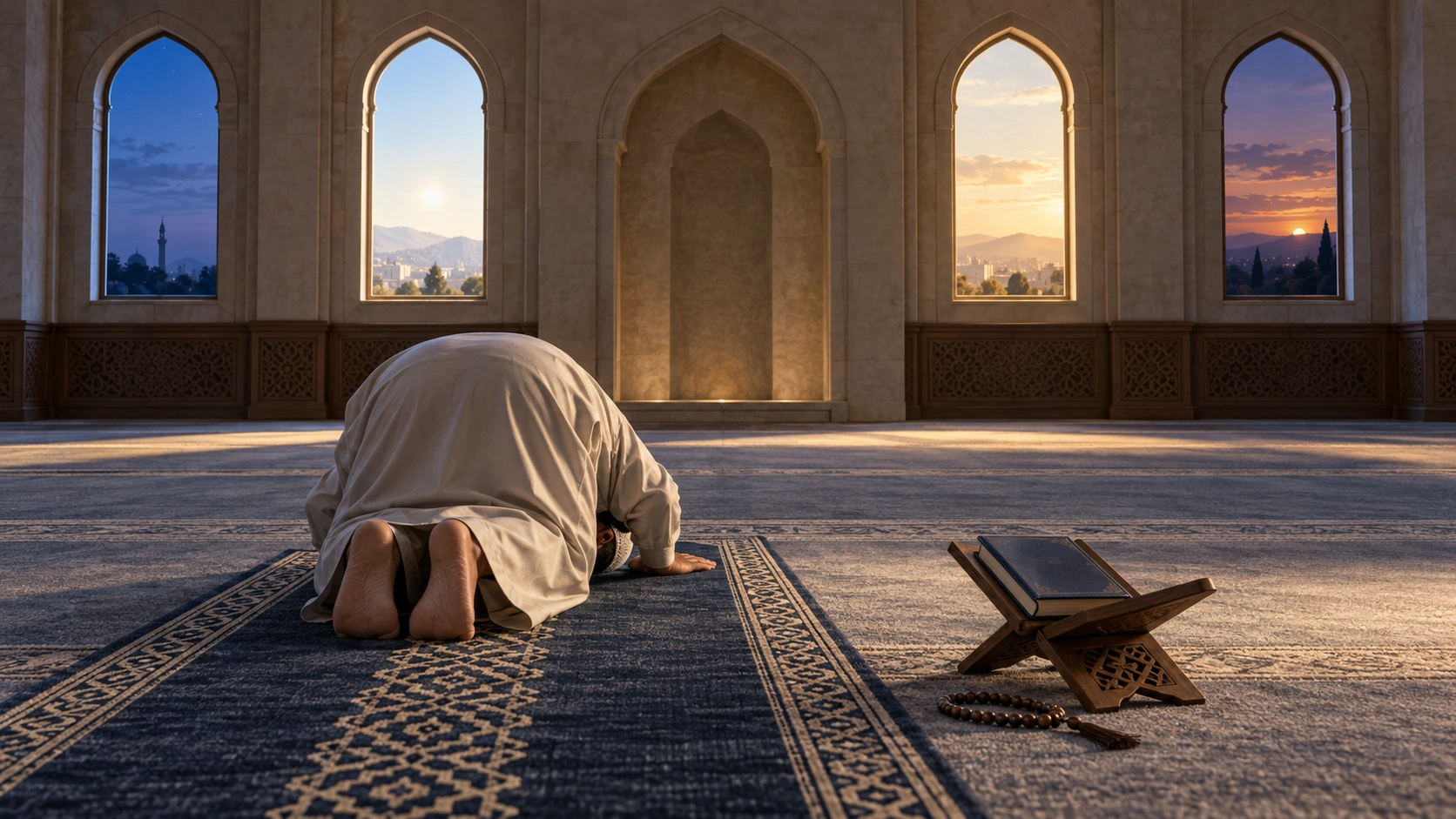
Salah is the second pillar of Islam and the single act of worship that a Muslim performs more than any other — five times every day, approximately 1,825 times every year, across an entire lifetime. Yet for many Muslims, the word carries weight without depth — it is known as obligatory without being truly understood.

The 99 Names of Allah (Asmāʾ al-Ḥusnā, الأسماء الحسنى) are the most beautiful and perfect names by which Allah ﷻ has described Himself in the Qur’an and through the teachings of Prophet Muhammad ﷺ. Each name reflects a divine attribute of mercy, wisdom, power, justice, or compassion, helping believers understand and worship their Creator with

Dua in Islam is the act of calling upon Allah ﷻ for help, guidance, forgiveness, or blessings in any matter. It is not merely a request — it is an act of ʿibādah (worship) that reflects humility, devotion, and complete reliance (tawakkul) upon Allah. Through dua, a believer acknowledges their dependence and affirms Allah’s oneness
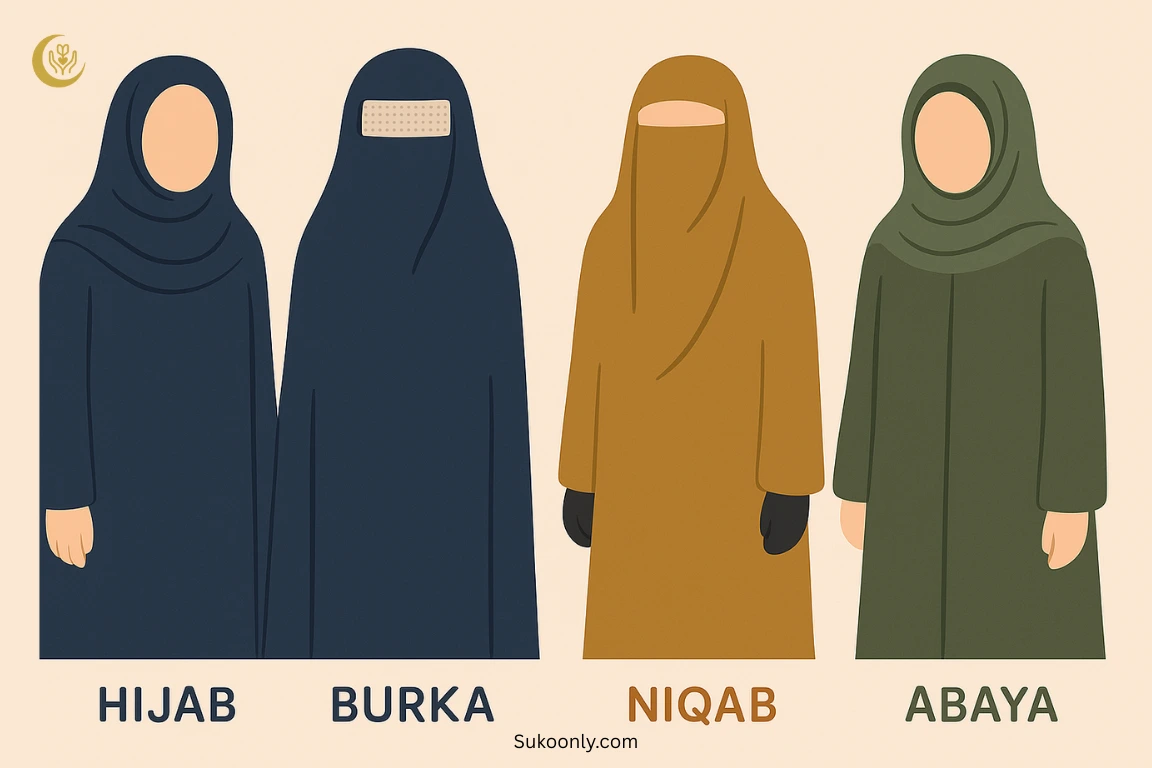
Many Muslims hear terms like Hijab, Burka, Niqab, and Abaya and wonder — are these just different names for the same thing, or do they carry unique meanings and uses? In truth, each of these garments represents a distinct expression of modesty (ḥayāʾ) in Islamic dress, deeply rooted in both Qur’anic principles and cultural traditions
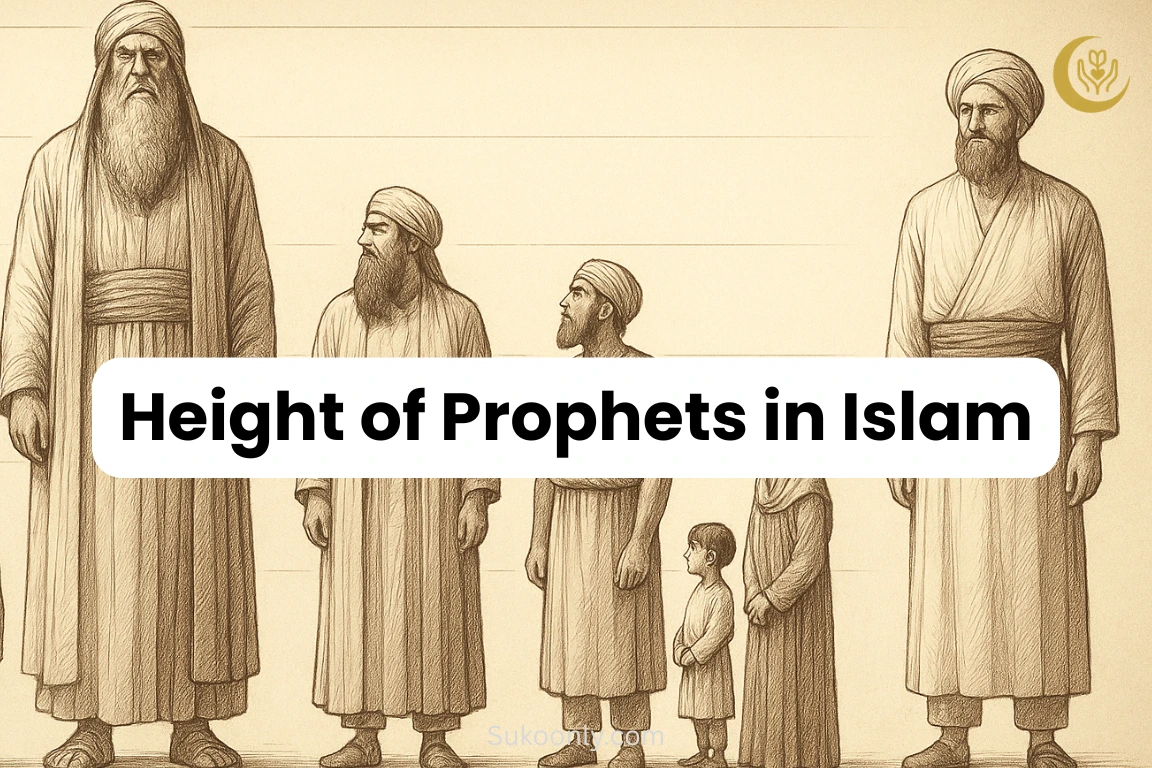
In Islam, the physical traits of prophets have been carefully preserved in authentic hadith and classical works like the Shamā’il Muhammadiyyah. These descriptions were recorded by trusted narrators to help believers recognize, respect, and connect with the prophets. Among these traits, height is one that has been authentically mentioned for Prophet Muhammad ﷺ, Prophet Adam
Al-Bari’ is the 12th of the 99 Names of Allah, meaning the Originator — the One who separates creation into distinct existence. Explore the Arabic root b-r-a, its connection to bara’a (innocence) and bur’ (recovery from illness), the creation trio at 59:24, and how to call upon Al-Bari’ in dua.
Complete guide to Al-Khaliq — why khalq means precise measurement before creation, the creation trio (Al-Khaliq/Al-Bari’/Al-Musawwir) in Quran 59:24, Al-Khallaq the intensive form, why Akhlaq shares this root, and the Prophet’s Khuluq dua.
Complete guide to Al-Mutakabbir — the mutafa’il pattern (deliberate rightful greatness), Kibr vs Kibriya’ distinction, the garment hadith (Muslim 2620), Allahu Akbar in Salah, the Quran 59:23 8-Name cluster summary, and why pride is usurpation of a divine attribute.